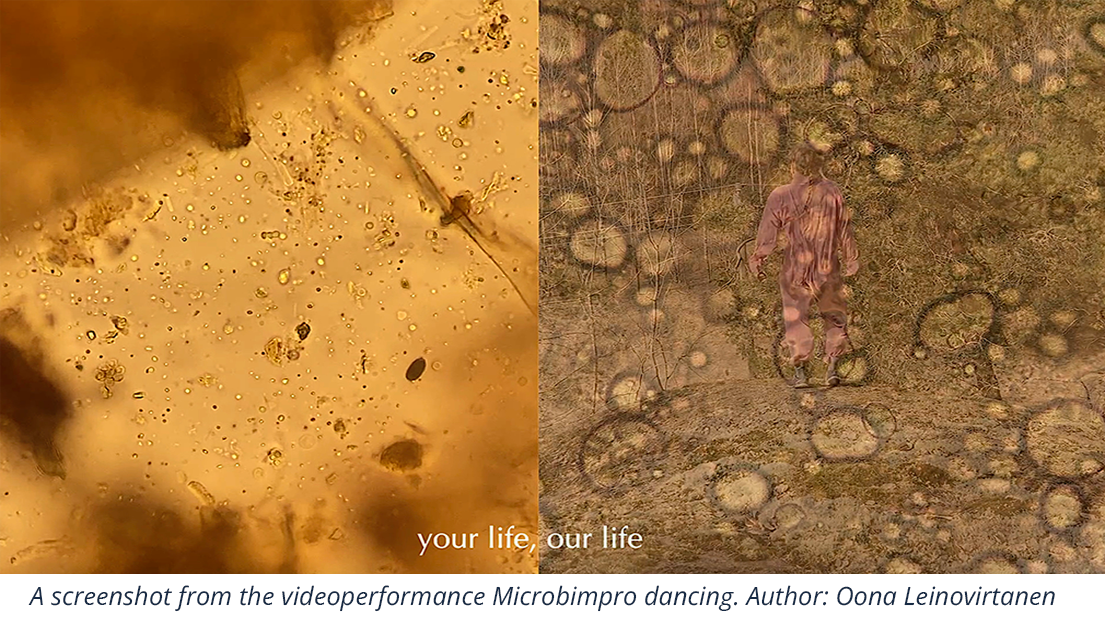
EASST Review: Volume 42(2) December 2023
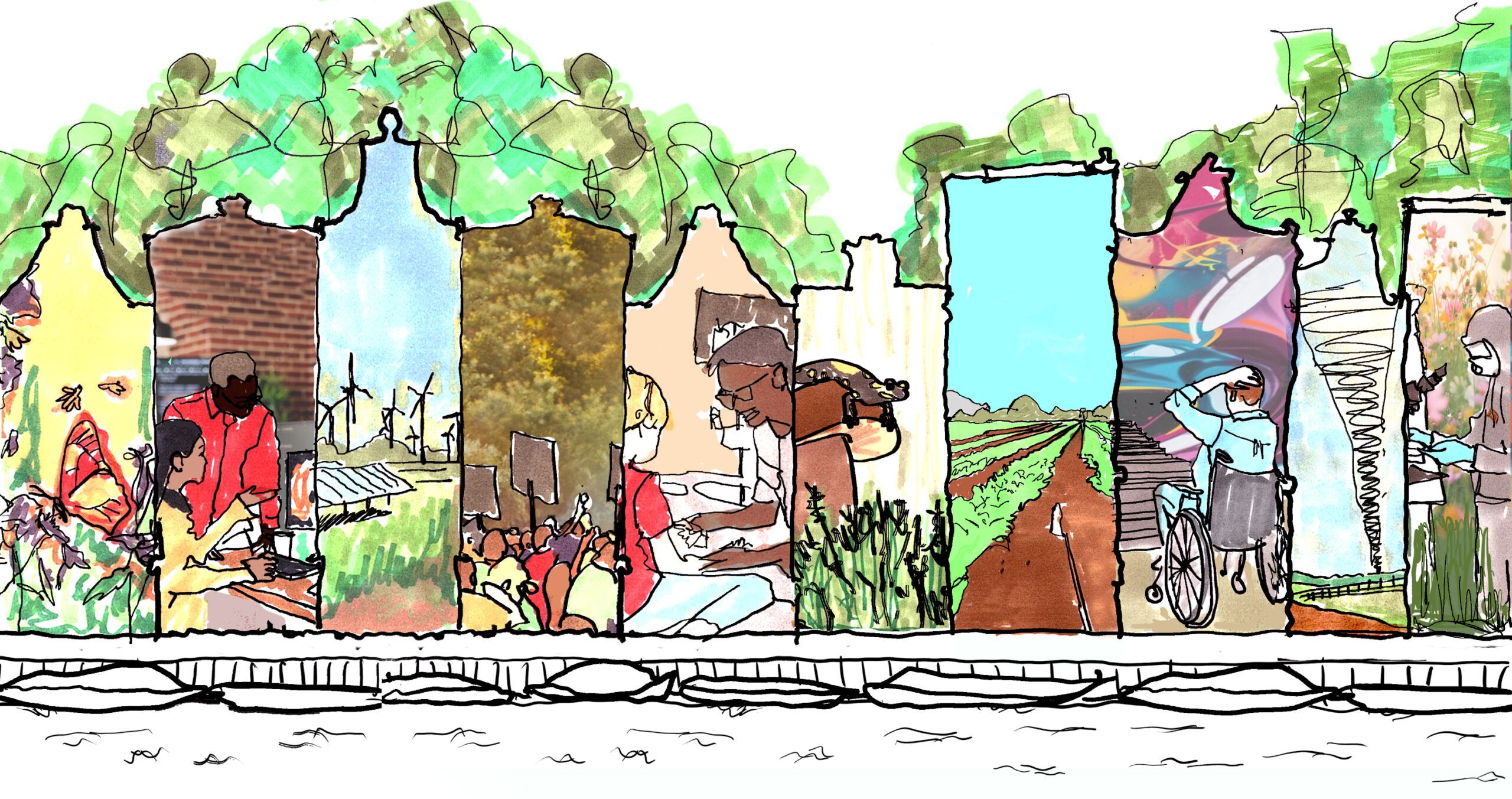
Many thanks for all the contributions over the last years: the EASST Review is really made by our STS community and every time I have been positively surprised by the variety of perspectives brought together in our issues. Also in this edition you will find engagend and critical contributions, continuing our reflections on Research Cultures; paying tribute to Evelyn-Fox Keller; presenting groups in Exeter and Helsinki; and discussing workshops that took place in the past year. We are also presenting a preview of the 2024 EASST-4S conference to which we all look forward!
Call for nominations – EASST Awards 2024
Deadline 15 January 2024 Since our 2012 conference in Copenhagen, EASST has been celebrating collaboration and cooperation in our field through a set of awards.
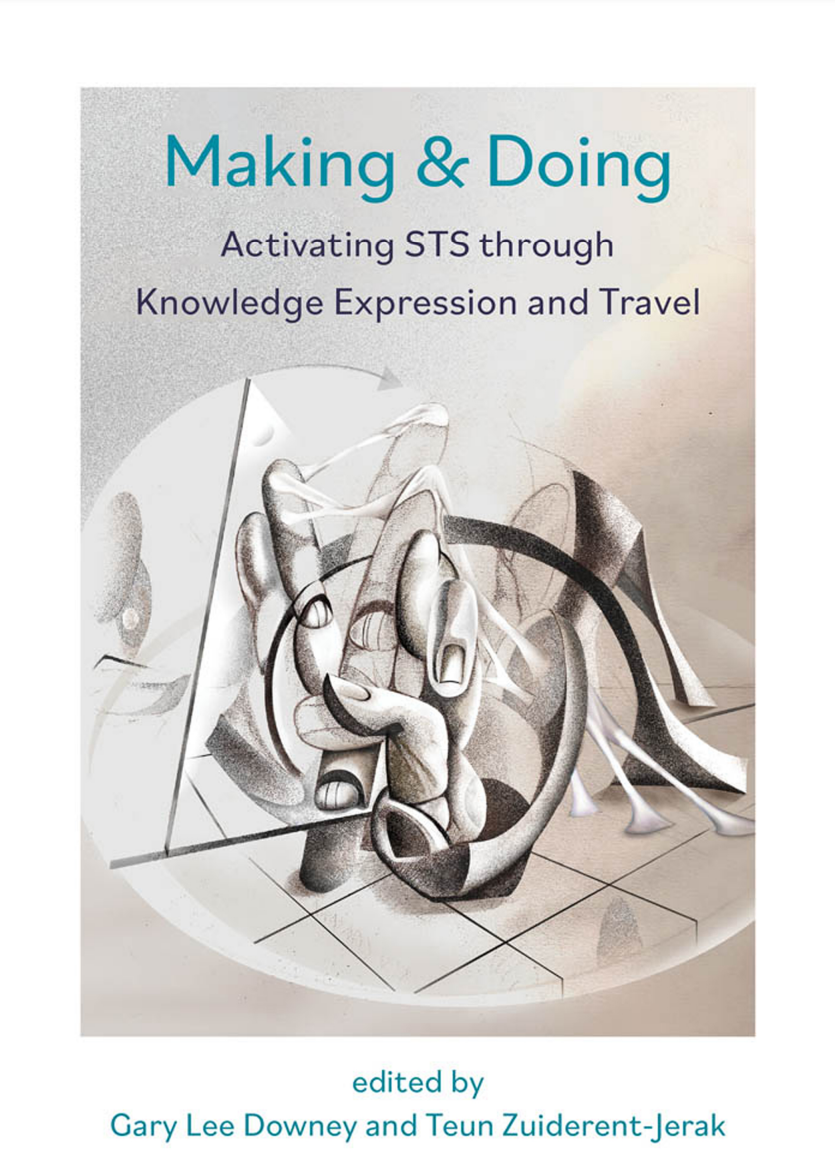
2022 Amsterdamska Award winner: Making & Doing
Making & Doing: Activating STS through Knowledge Expression and Travel edited by Gary Lee Downey and Teun Zuiderent-Jerak was awarded the EASST Olga Amsterdamska Award

2022 Ziman Award winner: Picturing the Invisible
The public engagement project Picturing the Invisible, organised by European researchers and aimed at engaging European publics (specifically, publics in Germany and the UK), was
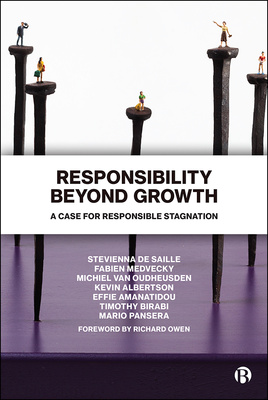
2022 Freeman Award winner: Responsibility Beyond Growth
Responsibility Beyond Growth – A Case for Responsible Stagnation, by Stevienna de Saille, Fabien Medvecky, Michiel van Oudheusden, Kevin Albertson, Effie Amanatidou, Timothy Birabi and

Call for applications
Deadline for this round: 6th May The EASST Fund supports a range of activities such as the organisation of conferences, network meetings, seminars, workshops, etc.
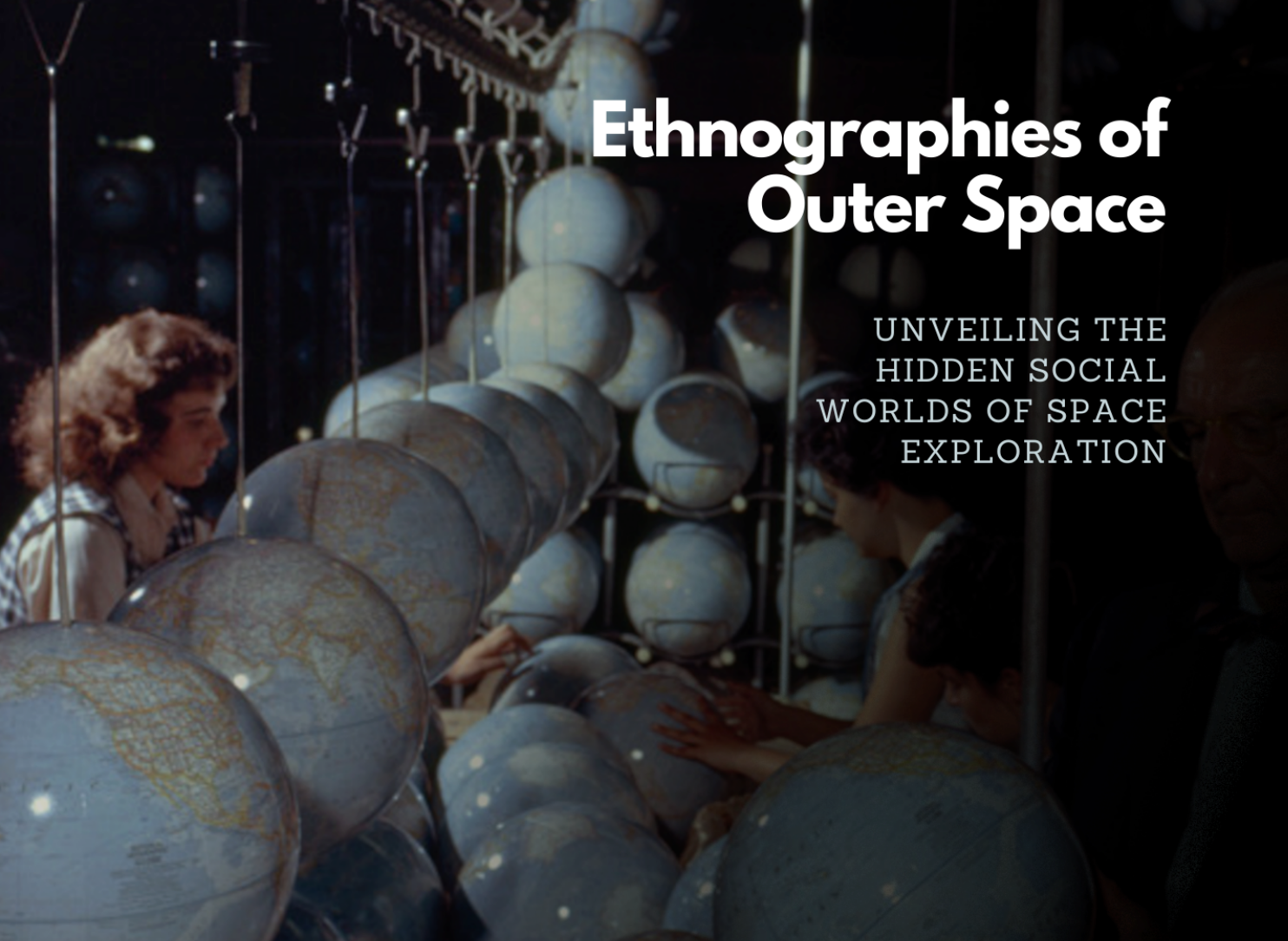
EASST Fund supports: Ethnographies of Outer Space: Unveiling the hidden social worlds of space exploration, seminar, 2024, Poland
As humanity’s gaze stretches beyond Earth, popular imaginations paint vivid pictures of interstellar travel, cosmic civilizations and extraterrestrial encounters. Yet, have we considered the very concrete social worlds which make such musings about celestial landscapes possible in the first place? This groundbreaking seminar, “Ethnographies of Outer Space: Unveiling the Hidden Social Worlds of Space Exploration,” ventures beyond the realms of rockets and telescopes into the rich territory of the social studies of outer space. This workshop is hosted by the ARIES project at the Jagiellonian University, with additional funding from EASST.
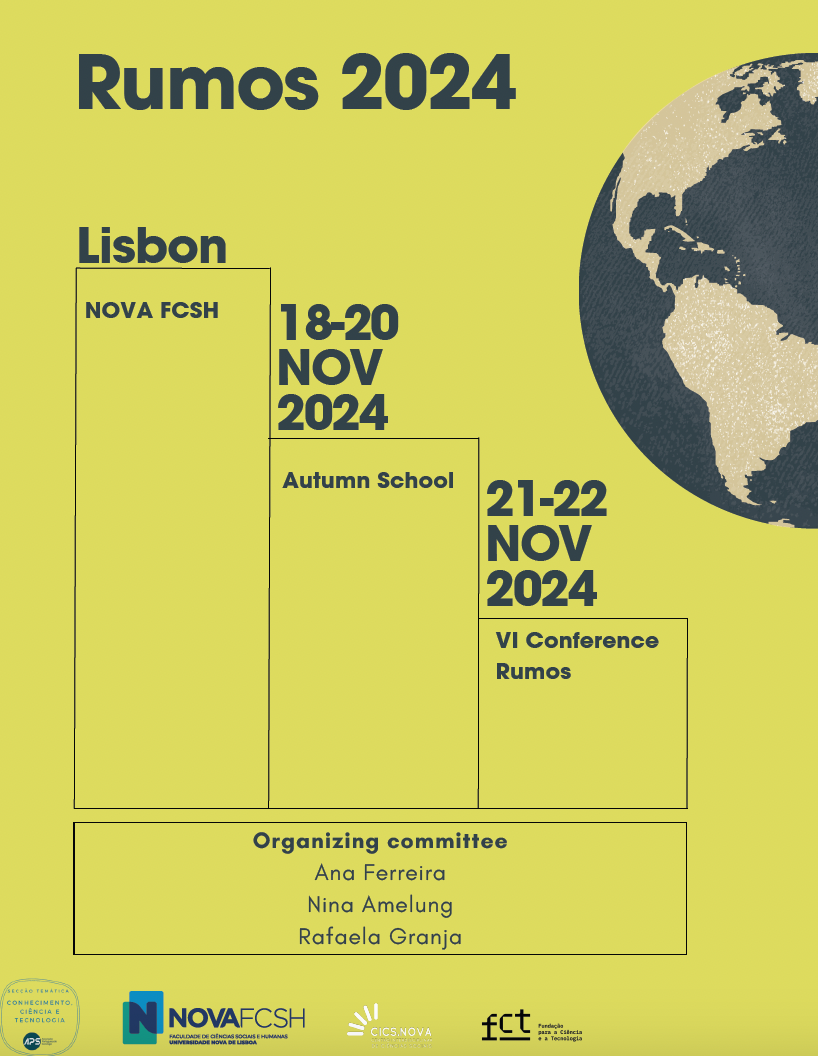
EASST Fund supports: RUMOS 2024 | “Building bridges in times of crises” – Autumn School & Workshop of the Thematic Section on Knowledge, Science and Technology of the APS, Portugal
With the support of the EASST Fund, RUMOS 2024 entitled “Building bridges in times of crises” takes place between the 18th and 22nd of November 2024 at NOVA FCSH, in Lisbon, Portugal. The event is composed of an autumn school targeting early career scholars and a conference with an open call for papers. RUMOS is a biannual event organized by the Thematic Section on Knowledge, Science and Technology of the Portuguese Sociological Association.

EASST Fund supports: Creating an Irish Science, Technology, and Society (STS) Community, hybrid unconference 2024, Ireland
With the support of the EASST Fund and the University College Dublin Centre for Digital Policy, we will be holding a day-long hybrid unconference in early summer 2024: Creating an Irish Science, Technology, and Society (STS) Community. This event, the first of its kind to take place in Ireland, will bring together STS researchers while also welcoming scholars from other countries who are interested in the Irish STS context.